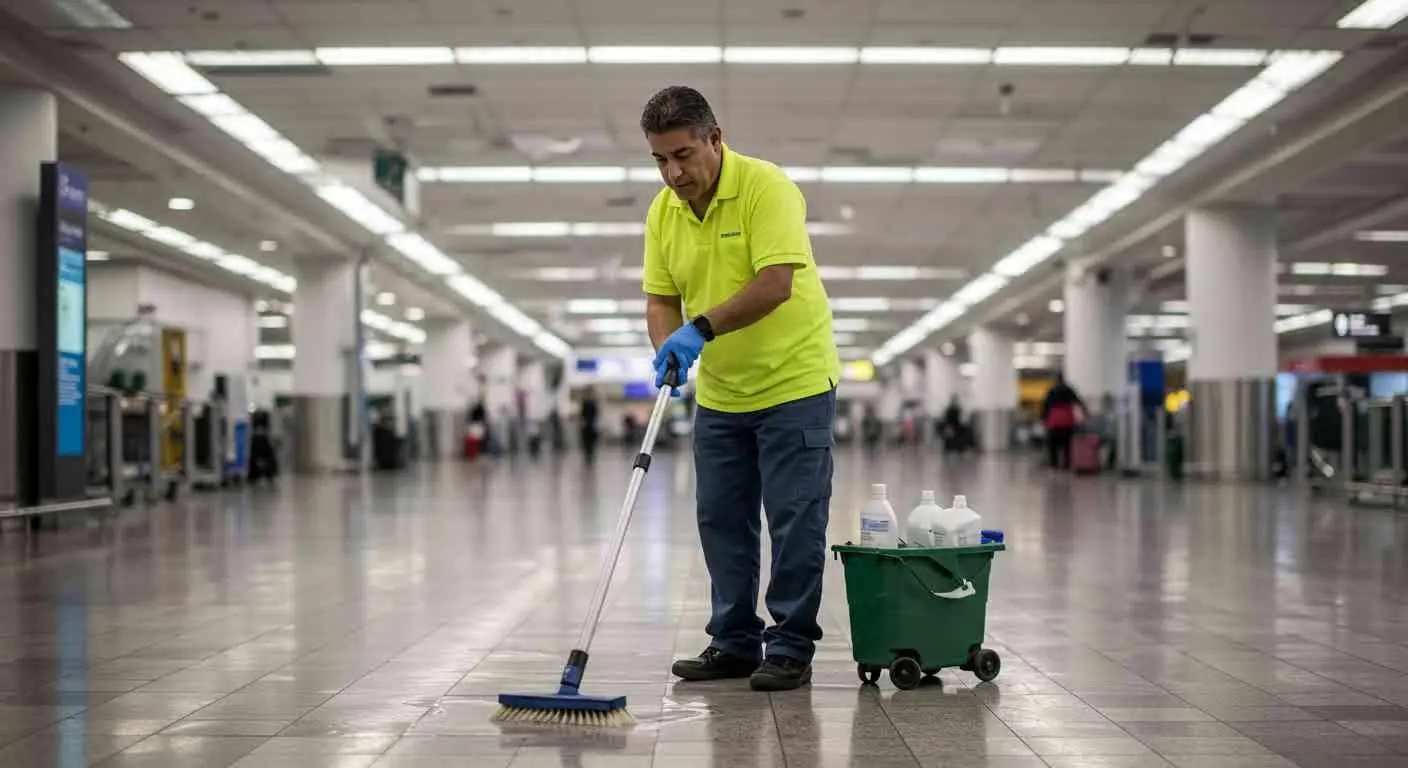
Environmentally Responsible Cleaning Products Are Gaining Popularity
One of the most noticeable shifts in the cleaning industry is the growing demand for products designed to reduce environmental impact.
Traditional cleaning chemicals often contain ingredients that can contribute to poor indoor air quality or cause irritation for workers who handle them regularly. In response, manufacturers have developed alternatives that emphasize safer ingredients and improved environmental performance.
Many facilities are now selecting products that feature:
- Reduced volatile organic compounds (VOCs)
- Biodegradable formulations
- Plant-derived ingredients
- Lower toxicity profiles
- Sustainable packaging
Independent certification programs help purchasers identify products that meet specific environmental and safety criteria. These standards provide facility managers with greater confidence when evaluating cleaning solutions for large-scale operations.
For cleaning staff, the use of milder formulations may contribute to a more comfortable working environment and reduce exposure to certain harsh chemicals commonly found in older products.
Reducing Waste Through Smarter Cleaning Systems
Waste management has become another major focus within modern janitorial programs.
Cleaning operations generate a variety of materials that eventually enter the waste stream, including:
- Chemical containers
- Disposable wipes
- Single-use cleaning pads
- Packaging materials
- Plastic bottles
To address this challenge, many organizations are introducing systems that reduce unnecessary consumption and encourage reuse.
Concentrated Product Programs
Instead of purchasing ready-to-use chemicals, facilities increasingly rely on concentrated products combined with controlled dispensing systems.
Benefits may include:
- Less packaging waste
- Reduced storage requirements
- Lower transportation impacts
- More accurate chemical usage
Reusable Cleaning Materials
Microfiber cloths and reusable mop systems have become common alternatives to disposable products.
These tools often provide:
- Improved dirt capture
- Lower water consumption
- Reduced chemical usage
- Decreased solid waste generation
Successful implementation requires proper laundering procedures and staff training to maintain hygiene standards.
Conserving Energy and Water in Daily Cleaning Operations
Resource efficiency is becoming a key performance indicator for many facility service providers.
Cleaning equipment and procedures can significantly influence overall energy and water consumption.
Advanced Equipment Technologies
Modern janitorial equipment frequently incorporates features designed to improve efficiency.
Examples include:
- High-efficiency vacuum systems
- Battery-powered floor scrubbers
- Automated cleaning machines
- Energy-saving motors
These technologies can help organizations lower utility expenses while supporting environmental goals.
Water Conservation Methods
Several operational adjustments may contribute to reduced water use, including:
- Low-moisture carpet cleaning systems
- Controlled dispensing sprayers
- Microfiber cleaning tools
- Proper maintenance of equipment to prevent leaks
Even small improvements in cleaning procedures can generate meaningful savings when applied across large facilities.
Sustainable Purchasing and Equipment Lifecycle Management
Purchasing decisions are increasingly being evaluated from a long-term perspective rather than focusing solely on initial cost.
Facility managers are beginning to assess equipment based on factors such as:
- Durability
- Repairability
- Energy efficiency
- Water efficiency
- Availability of replacement parts
- End-of-life recycling options
This approach recognizes that equipment often generates most of its environmental impact during years of daily operation.
Organizations may also consider whether suppliers offer:
- Refurbishment programs
- Battery recycling services
- Product take-back initiatives
- Environmental performance documentation
By evaluating the entire lifecycle of equipment, businesses can make more informed investment decisions.
How Sustainability Is Changing Janitorial Job Responsibilities
The adoption of greener cleaning practices is influencing how janitorial professionals perform their daily work.
Rather than eliminating jobs, these changes often introduce new responsibilities and skill requirements.
Employees may now be expected to:
- Operate dilution-control systems
- Monitor equipment efficiency
- Follow recycling procedures
- Maintain reusable cleaning materials
- Record operational performance data
As cleaning operations become more technology-driven, workers increasingly contribute to environmental initiatives and facility performance goals.
Supporting Worker Health and Workplace Safety
Protecting frontline cleaning personnel remains a major priority.
Many sustainable cleaning programs seek to minimize unnecessary exposure to chemicals that may contribute to discomfort or health concerns.
Potential benefits may include:
- Improved indoor air quality
- Reduced odors
- Lower risk of skin irritation
- Enhanced workplace comfort
However, employers should continue emphasizing:
- Personal protective equipment (PPE)
- Proper ventilation
- Safe handling procedures
- Ongoing safety training
Environmental improvements are most effective when combined with strong occupational safety practices.
Building New Skills for the Future Workforce
The cleaning industry continues to evolve, creating opportunities for professional development.
Modern janitorial personnel may increasingly work with:
- Digital reporting systems
- Smart cleaning equipment
- Automated floor machines
- Sustainability tracking programs
As a result, employers are investing more heavily in workforce training and certification programs.
Developing these skills can improve career prospects while helping organizations meet environmental performance targets.
Practical Strategies for Organizations
Facilities interested in implementing greener cleaning programs may consider several practical steps.
Conduct Small-Scale Trials
Testing products and equipment before large-scale adoption allows organizations to evaluate performance and employee feedback.
Establish Procurement Guidelines
Purchasing policies can prioritize products and equipment that demonstrate environmental and operational benefits.
Invest in Training
Employees should receive clear instructions regarding:
- Product usage
- Chemical dilution
- Waste sorting procedures
- Equipment operation
Measure Results
Tracking data can help determine whether sustainability initiatives are delivering expected outcomes.
Useful metrics may include:
- Water consumption
- Energy usage
- Packaging reductions
- Chemical volumes
- Employee feedback
Industry Momentum Continues to Grow
Many cleaning service providers, manufacturers, and facility operators throughout the United States are actively exploring sustainable practices.
Programs involving reusable materials, refill systems, efficient machinery, and waste-reduction initiatives continue to expand across commercial and institutional facilities.
Although implementation strategies vary, the overall direction of the industry suggests increasing interest in balancing operational effectiveness with environmental responsibility.
Conclusion
Sustainable cleaning is becoming an important part of the future of janitorial and housekeeping services in the United States. By adopting safer products, reducing waste, conserving resources, and investing in employee training, organizations can support both environmental objectives and operational performance.
As technology advances and sustainability expectations continue to grow, cleaning professionals will likely play an even more significant role in helping facilities achieve healthier, more efficient, and more environmentally responsible workplaces.