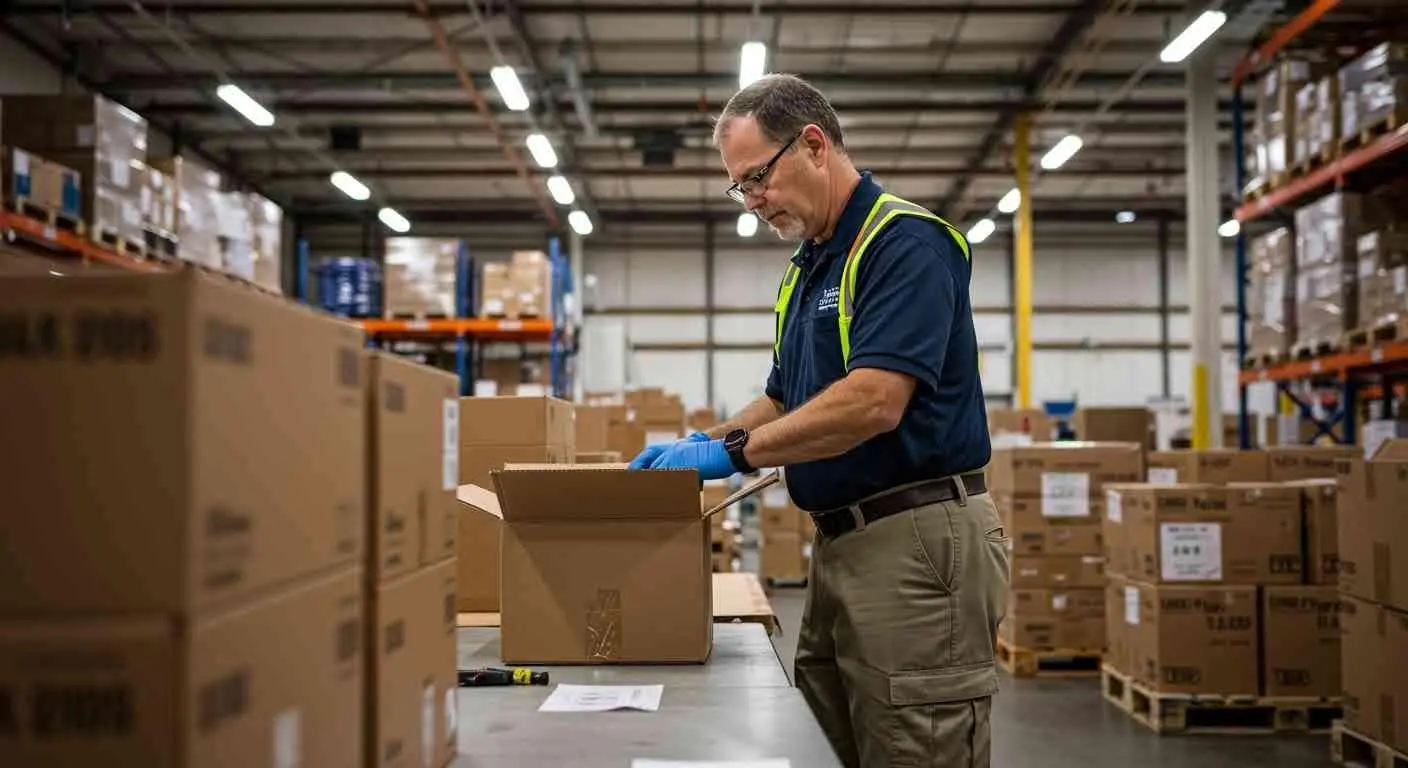
1. Core Responsibilities of a Packaging Worker
Packaging workers are responsible for preparing products for shipment or storage while maintaining quality standards.
Typical Duties Include:
- Inspecting products for defects before packing
- Selecting appropriate packaging materials (boxes, bubble wrap, pallets, etc.)
- Labeling packages accurately with shipping information
- Sealing boxes and securing items for transport
- Sorting products by category, size, or destination
- Keeping records of packed items and reporting discrepancies
- Operating packaging machinery when required
Efficiency and attention to detail are essential to prevent product damage and ensure smooth operations.
2. Daily Routine of a Packaging Worker
The daily schedule can vary depending on the industry and company size, but typical tasks include:
- Receiving and Organizing Inventory Workers often start by checking incoming items, verifying counts, and organizing materials for packaging.
- Packing Products Depending on the type of product, packing may involve manual assembly, wrapping fragile items, or assembling boxes.
- Labeling and Documentation Accurate labeling is critical for inventory management and shipping. Some workplaces use scanners or software to track items.
- Preparing Shipments Packaging workers prepare orders for delivery, stacking boxes on pallets, and moving them to staging areas for transport.
- Cleaning and Maintenance At the end of the day, workers clean workstations, maintain equipment, and ensure packaging supplies are stocked.
3. Work Environment
Packaging workers in the US can work in a variety of environments, which affects the nature of their tasks:
Common Workplaces
- Warehouses – Large facilities storing goods for e-commerce or retail distribution
- Manufacturing Plants – Factories where products are packaged for shipment
- Retail Distribution Centers – Facilities preparing orders for stores or online customers
- Cold Storage Facilities – Packaging perishable goods, requiring temperature-controlled conditions
Environmental Conditions
- Fast-paced settings during peak seasons (holidays or sales events)
- Standing or walking for extended periods
- Exposure to noise, machinery, or varying temperatures
- Tasks that require lifting boxes or using pallet jacks
4. Tools and Equipment
Packaging workers often use a mix of manual tools and technology:
- Basic Tools: Tape dispensers, box cutters, label printers, markers
- Packaging Equipment: Shrink wrap machines, conveyor belts, strapping machines
- Safety Gear: Gloves, back supports, and protective footwear
Familiarity with these tools improves efficiency and ensures worker safety.
5. Skills Needed for Success
To excel as a packaging worker in the US, several skills are important:
- Attention to Detail: Ensures products are packed correctly and labeled accurately
- Time Management: Helps meet production targets and shipping deadlines
- Physical Stamina: Required for lifting, bending, and standing for long periods
- Teamwork: Coordinating with coworkers and supervisors for smooth workflow
- Basic Computer Skills: Used for inventory tracking and labeling systems
6. Safety Practices
Packaging workers must follow safety protocols to prevent accidents and injuries:
- Proper lifting techniques to avoid back strain
- Wearing gloves and protective gear when handling sharp objects
- Following machine operating guidelines
- Keeping work areas clean to prevent slips or trips
- Reporting unsafe conditions to supervisors
Employers in the US emphasize safety training and compliance with OSHA standards.
7. Career Opportunities
While packaging work is often an entry-level position, it can lead to career growth:
- Lead Packer or Supervisor: Overseeing teams and workflow
- Quality Control Specialist: Ensuring packaging standards and product integrity
- Inventory or Logistics Coordinator: Managing stock and shipping processes
- Forklift Operator or Material Handler: Specialized roles in warehouses and distribution centers
With experience and reliability, packaging workers can move into higher-paying or supervisory positions.
8. Conclusion
Packaging workers play an essential role in the US supply chain, ensuring products are properly packed, labeled, and ready for shipment. While physically demanding, the job offers entry points for individuals seeking steady employment and potential career growth. Understanding the daily tasks, work environment, and required skills helps both employees and employers optimize performance and safety.
Frequently Asked Questions
Q1: Do packaging workers need prior experience?
Most entry-level packaging jobs do not require prior experience, but attention to detail and physical stamina are important.
Q2: Is packaging work physically demanding?
Yes, it often involves standing, lifting boxes, and repetitive movements, so good physical condition helps.
Q3: Can packaging work lead to long-term careers?
Yes, dedicated workers can advance to supervisory roles, quality control, or logistics positions.
Q4: Are packaging jobs seasonal?
Some positions are seasonal, especially in e-commerce and retail, while others are full-time year-round.
Q5: What is the typical work schedule?
Shifts often follow standard business hours, but some warehouses operate evenings, nights, or weekends depending on demand.