
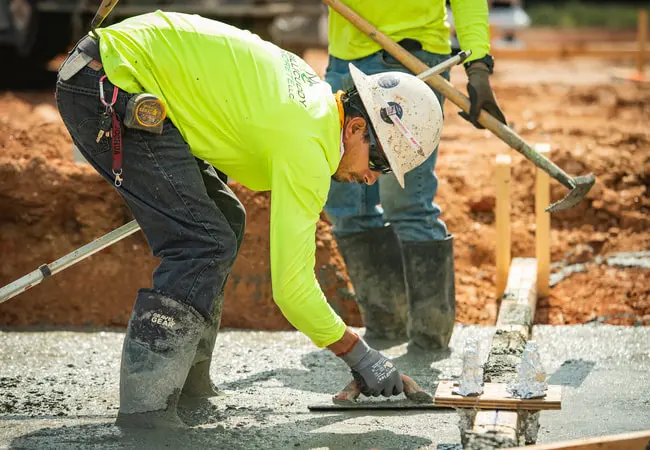
Current Compensation Landscape
Construction worker pay in 2026 varies significantly based on role, experience, specialization, and location. According to the Bureau of Labor Statistics, the average hourly earnings in the construction sector reached $41.20 in May 2026, with weekly earnings averaging $1,615. The broader category of construction and extraction occupations had an annual mean wage of $65,360 in May 2025, employing 6.4 million workers.
| Position | Average Annual Salary | Hourly Rate | Source |
|---|---|---|---|
| Construction Worker (General) | $52,792 | $25 | SalaryExpert (June 2026) |
| Construction & Extractive Worker | $55,917 | $27 | SalaryExpert (June 2026) |
| Construction Craft Laborer | $53,721 | $26 | SalaryExpert (June 2026) |
| Construction Worker/Laborer | $43,229 | $21 | Salary.com (June 2026) |
| Construction Laborer | ~$44,100 | $21 | Salary.com (June 2026) |
| Construction Laborer | — | $20.30 | Payscale (2026) |
| Entry Level Construction Laborer | $43,541 | $20.93 | ZipRecruiter (June 2026) |
These figures represent base wages. Bonuses add significantly to total compensation: construction workers earn an average annual bonus of $919, while construction & extractive workers average $1,694 in bonuses.
Specialized Trades Command Premium Wages
Skilled trades within construction earn substantially more than general laborers. The BLS reports that elevator and escalator installers and repairers lead the field with an annual mean wage of $109,820, followed by first-line supervisors of construction trades at $86,450. Pile driver operators earn $80,710, and boilermakers earn $80,090.
Other skilled trades show strong earnings:
- Electricians: Average salaries range from $51,910 to $90,050, with entry-level positions averaging $63,149
- Plumbers: Average annual pay of approximately $63,215, with top earners reaching $81,626
- Carpenters: Average salaries around $60,896, with top-paying states like California and D.C. offering over $66,000
Regional Variations Drive Earnings
Geography is a major factor in construction worker compensation. States with higher costs of living and strong industrial sectors pay more to attract workers. California offers carpenters an average of $66,302, while the District of Columbia pays $66,555. In Riverside County, California, maintenance and construction workers earn between $52,693 and $70,981 annually. The gap between the highest- and lowest-paying regions can exceed $20,000 per year for similar roles.
Career Progression and Earning Potential
A construction career offers clear advancement pathways with corresponding salary increases. An entry-level construction worker (1-3 years of experience) earns an average of $39,313 annually, while a senior-level worker (8+ years) earns $58,882. For construction & extractive workers, the progression is similar: from $41,185 at entry level to $62,402 at senior level. The estimated salary potential for construction workers is projected to increase 14% over the next five years.
Career advancement typically follows this path:
- Entry-Level Laborer: $35,000 – $43,000
- Skilled Trade Worker: $45,000 – $65,000
- Lead Worker / Foreman: $60,000 – $80,000
- Superintendent / Project Manager: $80,000+
Job Requirements: What It Takes
Becoming a construction worker in 2026 is accessible yet demanding. Most positions require the following:
Education: The majority of construction workers (63% to 80%) hold only a high school diploma. Formal education beyond high school is rarely required, though trade school certifications can significantly boost earning potential.
Age and Legal Requirements: Applicants must be at least 18 years of age and eligible to work in the U.S.. A driver's license is often preferred.
Physical Demands: Construction work requires substantial physical stamina. Workers must be able to:
- Lift and carry materials up to 50–75 pounds repeatedly
- Stand for extended periods, bend, stoop, and reach
- Work in various weather conditions
- Pass drug tests (often post-employment)
Experience: While many entry-level positions require no prior experience, construction experience is preferred. One month to one year of experience is often desirable for general laborer roles.
Skills: Workers must understand work directions and communicate effectively with supervisors and fellow employees. Familiarity with hand and power tools is essential.

Certifications That Boost Earnings
Professional certifications can enhance both skills and compensation. Popular certifications include:
- OSHA Safety Certifications (10-hour and 30-hour)
- First Aid and CPR
- Equipment operation certifications (forklift, aerial lifts)
- Trade-specific certifications (electrical, plumbing, welding)
Workers who pursue certifications and specialize in high-demand areas can significantly out-earn general laborers.
The Labor Shortage Challenge
The construction industry faces a severe labor shortage in 2026. According to the Associated General Contractors of America, 92% of construction firms currently hiring report difficulty finding qualified workers, and 45% say labor shortages are actively causing project delays. The industry needs to attract 349,000 net new workers in 2026 and 456,000 in 2027. Construction spending forecasts of up to $2.34 trillion in 2026 make the labor gap wider, not narrower.
Several factors drive this shortage: Approximately one-fifth of all electricians are over 55, meaning retirements will compound the shortage. Immigration enforcement affects 28% of firms, with 10% reporting workers left due to enforcement actions. Regional variation is significant—75% of firms in Georgia reported being affected, compared to just 8% in Idaho.
Industry Growth and Job Outlook
After a 2.7% contraction in 2025, U.S. construction output is forecast to grow by approximately 1.1% in 2026, with average annual growth of 2.1% through 2030. Residential construction is projected to rise 9.9% in 2026, and the National Association of Home Builders forecasts a 7.5% gain in single-family housing starts. Data centers remain the dominant growth engine, with starts projected to rise 20-26% in 2026.
Benefits Beyond the Paycheck
Many construction employers offer competitive benefits packages beyond base wages. These often include 401(k) matching, health/dental/vision insurance, paid time off, tuition reimbursement, profit sharing, and employee stock ownership plans. Some companies offer four-day work weeks with 10-hour shifts, weekly pay, and paid overtime opportunities. Meta recently invested $115 million in skilled trades training, offering free training, travel expenses, stipends, and guaranteed job offers to graduates.
The Road Ahead
For those considering a construction career in 2026, the outlook is exceptionally positive. The industry offers accessible entry points, clear advancement pathways, competitive compensation, and strong job security in a market defined by chronic labor shortages. Workers who pursue specialized training, earn certifications, and demonstrate reliability can expect earnings well above national averages. With the industry projected to grow steadily through 2030 and labor shortages driving wage increases, construction workers have more opportunities than ever to build stable, rewarding careers.